Explore This Path
Textile Knitting Machine Operator
💰 Earn $38K-$46K
📚 High School Diploma or GED
⏱️ 6–12 Month Training
📈 -13.7% Job Growth
- Perfect for those who love working with intricate textile patterns and designs.
- Ensure high-quality textile products that meet industry standards and customer needs.
- Discover the art of weaving and knitting with advanced machinery and techniques.
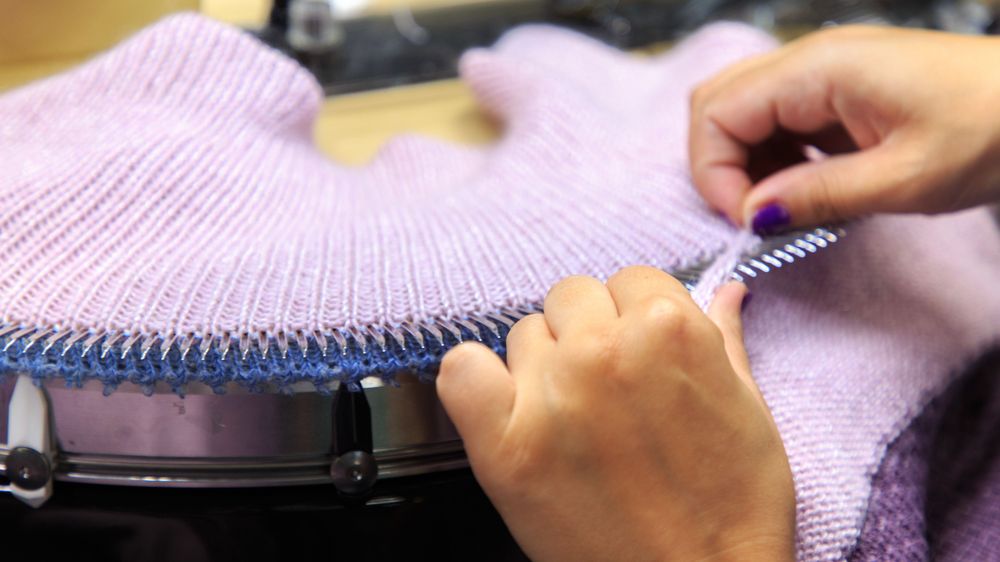
What Textile Knitting Machine Operators DoSet up, operate, or tend machines that knit, loop, weave, or draw in textiles.
- Remove defects in cloth by cutting and pulling out filling.
- Inspect products to ensure that specifications are met and to determine if machines need adjustment.
- Observe woven cloth to detect weaving defects.
- Thread yarn, thread, and fabric through guides, needles, and rollers of machines for weaving, knitting, or other processing.
- Examine looms to determine causes of loom stoppage, such as warp filling, harness breaks, or mechanical defects.
Textile Knitting Machine Operators Education, Salary, and GrowthOnly you can decide how much you need to earn — but knowing what it actually costs to live in your area can help. The Family Budget Calculator can guide you.
Minimum EducationHigh School Diploma or GED
Career ProspectsRisky (Decreasing by 5% or more)
Training Time6 months to 1 year
Job Openings1,300 Annually
Median earnings
California Median
$44,530
Most earn within this range
median ▾
$38K25th percentile
$46K75th percentile
National Median
$39,530
Most earn within this range
median ▾
$36K25th percentile
$45K75th percentile
Is This Career Right For You?
You like
- Using data or completing tasks.
- Working with my hands.
You value
- Having support.
- Job security.
- Personal relationships.
You are skilled in
- Operation and Control.
- Operations Monitoring.
- Equipment Maintenance.
- Critical Thinking.
- Active Listening.
- Troubleshooting.
Go Deeper: Textile Knitting Machine Operators Explained
Textile Knitting Machine OperatorExplore career pathways, key skills, and what each role has to offer.
How Do You Train for This Career?
Learn about the education and training paths that can lead to this career — and what to expect from each one.

ApprenticeshipAn apprenticeship typically offers a combination of hands-on training and classroom instruction, leading to practical skills, industry-specific knowledge, and the potential for long-term employment in a specific trade or profession.
🎓 Paid Work
⏱️ Finish in 2-5 years

Vocational SchoolA vocational school typically equips students with specialized skills and practical training in specific trades or occupations, enhancing their employability and providing direct pathways to relevant careers.
🎓 Skills-Focused
⏱️ Finish in 6 months - 2 years

Workforce Development ProgramA workforce development program typically enhances participants' opportunities to succeed in the workforce through employment skill-building, career counseling, connections to employers, and pathways to high-demand and high-wage jobs.
🎓 Skills-Focused
⏱️ Finish in 6 months - 2 years

Strategic EmploymentStrategic employment provides individuals with valuable work experience, opportunities for professional growth and networking, and exposure to an industry where they may want to pursue advancement.
🎓 Paid Work
⏱️ Finish in 1-3 years
find training near you
Find local programs, apprenticeships, or degrees to start your path.
Enter your location to see training near you

Updated April 2026. Data sourced from O*NET and Bureau of Labor Statistics.
Want to explore more possibilities?
Search more paths with altpath discover.discover more