Explore This Path
Septic Tank & Sewer Cleaner
💰 Earn $47K-$62K
📚 High School Diploma or GED
⏱️ 0–6 Month Training
📈 7.8% Job Growth
- Ideal for those who enjoy hands-on problem-solving and teamwork.
- Ensure public health and safety by maintaining essential sanitation systems.
- Unique chance to work with advanced tools and technology in the field.

What Septic Tank & Sewer Cleaners DoClean and repair septic tanks, sewer lines, or drains. May patch walls and partitions of tank, replace damaged drain tile, or repair breaks in underground piping.
- Communicate with supervisors and other workers, using equipment such as wireless phones, pagers, or radio telephones.
- Drive trucks to transport crews, materials, and equipment.
- Inspect manholes to locate sewer line stoppages.
- Operate sewer cleaning equipment, including power rodders, high-velocity water jets, sewer flushers, bucket machines, wayne balls, and vac-alls.
- Prepare and keep records of actions taken, including maintenance and repair work.
Septic Tank & Sewer Cleaners Education, Salary, and GrowthOnly you can decide how much you need to earn — but knowing what it actually costs to live in your area can help. The Family Budget Calculator can guide you.
Minimum EducationHigh School Diploma or GED
Career ProspectsExcellent (Increasing by 5% or more)
Training TimeLess than 6 months
Job Openings2,800 Annually
Median earnings
California Median
$55,220
Most earn within this range
median ▾
$47K25th percentile
$62K75th percentile
National Median
$49,880
Most earn within this range
median ▾
$44K25th percentile
$61K75th percentile
Is This Career Right For You?
You like
- Working with my hands.
You value
- Having support.
- Having freedom.
- Personal relationships.
You are skilled in
- Critical Thinking.
- Active Listening.
- Complex Problem Solving.
- Troubleshooting.
- Repairing.
Go Deeper: Septic Tank & Sewer Cleaners Explained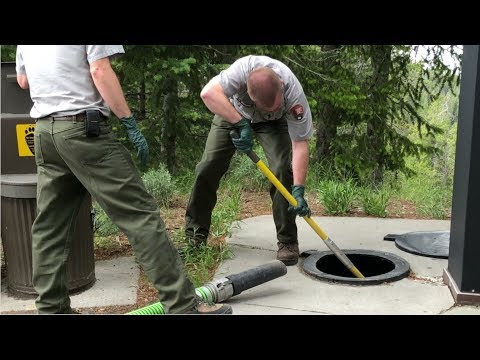
Septic Tank & Sewer CleanerExplore career pathways, key skills, and what each role has to offer.
How Do You Train for This Career?
Learn about the education and training paths that can lead to this career — and what to expect from each one.

Associate's DegreeAn associate's degree typically provides graduates with foundational knowledge and skills for entry-level jobs in the graduate's industry, or serves as a stepping stone towards further education.
🎓 College
⏱️ Finish in 2-3 years

Bachelor's DegreeA bachelor's degree typically results in increased knowledge about a variety of academic subjects, specialized knowledge in a focused field of study, and is considered the foundational qualification for many careers.
🎓 College
⏱️ Finish in 4-5+ years

Vocational SchoolA vocational school typically equips students with specialized skills and practical training in specific trades or occupations, enhancing their employability and providing direct pathways to relevant careers.
🎓 Skills-Focused
⏱️ Finish in 6 months - 2 years

ApprenticeshipAn apprenticeship typically offers a combination of hands-on training and classroom instruction, leading to practical skills, industry-specific knowledge, and the potential for long-term employment in a specific trade or profession.
🎓 Paid Work
⏱️ Finish in 2-5 years
find training near you
Find local programs, apprenticeships, or degrees to start your path.
Enter your location to see training near you

Updated April 2026. Data sourced from O*NET and Bureau of Labor Statistics.
Want to explore more possibilities?
Search more paths with altpath discover.discover more