Explore This Path
Precision Agriculture Technician
💰 Earn $44K-$61K
📚 Bachelor Degree
⏱️ 24–48 Month Training
📈 4.3% Job Growth
- Combine tech and agriculture to optimize crop production and sustainability.
- Enhance farming efficiency and environmental impact with cutting-edge geospatial tools.
- Use GPS and GIS to revolutionize farming with precision and data-driven insights.

What Precision Agriculture Technicians DoApply geospatial technologies, including geographic information systems (GIS) and Global Positioning System (GPS), to agricultural production or management activities, such as pest scouting, site-specific pesticide application, yield mapping, or variable-rate irrigation. May use computers to develop or analyze maps or remote sensing images to compare physical topography with data on soils, fertilizer, pests, or weather.
- Collect information about soil or field attributes, yield data, or field boundaries, using field data recorders and basic geographic information systems (GIS).
- Use geospatial technology to develop soil sampling grids or identify sampling sites for testing characteristics such as nitrogen, phosphorus, or potassium content, pH, or micronutrients.
- Demonstrate the applications of geospatial technology, such as Global Positioning System (GPS), geographic information systems (GIS), automatic tractor guidance systems, variable rate chemical input applicators, surveying equipment, or computer mapping software.
- Document and maintain records of precision agriculture information.
- Identify spatial coordinates, using remote sensing and Global Positioning System (GPS) data.
Precision Agriculture Technicians Education, Salary, and GrowthOnly you can decide how much you need to earn — but knowing what it actually costs to live in your area can help. The Family Budget Calculator can guide you.
Minimum EducationBachelor Degree
Career ProspectsGood (Increasing by 1-5%)
Training Time2 to 4 years
Job Openings2,900 Annually
Median Earnings
$58,330 in California
$46,790 Nationally
$0
$25K
$50K
$75K
$100K
$125K
$150K
$175K
$200K
$225K
$250K
Is This Career Right For You?
YOU Like
- Thinking and problem solving
- Using data or completing tasks
- Working with my hands
you value
- Having support
- Having freedom
- Job security
you are skilled in
- Operations Monitoring
- Monitoring
- Critical Thinking
- Reading Comprehension
- Active Listening
Go Deeper: Precision Agriculture Technicians Explained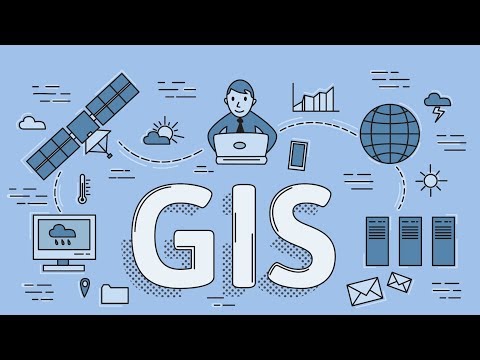
Precision Agriculture TechnicianExplore career pathways, key skills, and what each role has to offer.
How Do You Train for This Career?
Learn about the education and training paths that can lead to this career — and what to expect from each one.

ApprenticeshipAn apprenticeship typically offers a combination of hands-on training and classroom instruction, leading to practical skills, industry-specific knowledge, and the potential for long-term employment in a specific trade or profession.
🎓 Paid Work
⏱️ Finish in 2-5 years

Associate's DegreeAn associate's degree typically provides graduates with foundational knowledge and skills for entry-level jobs in the graduate's industry, or serves as a stepping stone towards further education.
🎓 College
⏱️ Finish in 2-3 years
find training near you
Find local programs, apprenticeships, or degrees to start your path.
Enter your location to see training near you

Updated April 2026. Data sourced from O*NET and Bureau of Labor Statistics.
Want to explore more possibilities?
Search more paths with altpath discover.discover more
Search more paths with altpath discover.discover more